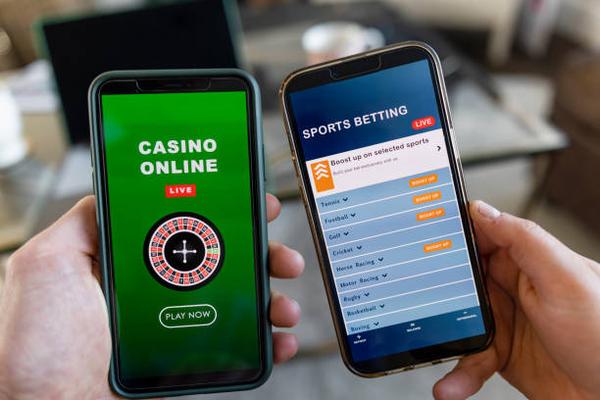
Navigating the landscape of online sports betting can be complex, particularly in regions with stringent regulations. In France, ARJEL (Autorité de Régulation des Jeux En Ligne) is the regulatory body overseeing online gambling activities. It ensures that operators comply with specific legal standards to protect consumers and maintain fair play. However, despite these regulations, some French players opt to engage with bookmakers outside of ARJEL’s jurisdiction. Understanding how these bookmakers operate and why they appeal to French bettors requires a closer examination.
Bookmakers outside ARJEL often attract French players due to broader market offerings and potentially better odds. These international platforms are not bound by the same restrictions as those licensed under site de paris sportif hors ARJEL, allowing them to provide a wider array of betting options across various sports and events worldwide. Additionally, they may offer more competitive odds because they don’t have to adhere strictly to taxation rules imposed on local operators.
To circumvent regional restrictions, these offshore bookmakers typically employ several strategies. One common approach is through the use of mirror sites or alternative domain names that allow access even if their primary site is blocked in France. They might also encourage the use of VPNs (Virtual Private Networks), which enable users to mask their location and appear as though they are accessing the site from a different country where such activities might be permitted.
Payment processing for these transactions can also differ significantly from regulated markets. International bookmakers often support various payment methods that facilitate cross-border transactions without drawing scrutiny from local authorities. E-wallets like Skrill or Neteller are popular choices among French players for depositing funds into their accounts securely while maintaining anonymity.
Despite these attractions, engaging with non-ARJEL licensed bookmakers carries inherent risks for French bettors. The lack of regulation means there is little recourse if disputes arise over payouts or other issues since these entities operate outside French legal jurisdiction. Furthermore, personal data security could be compromised due to less stringent privacy protections compared to those mandated by ARJEL-regulated sites.
The allure of potentially higher returns must be weighed against these risks when considering participation in unregulated betting environments. While some players find success navigating this grey area through research and cautionary measures such as confirming bookmaker reputations via independent reviews or forums dedicated to gambling discussions—caution remains paramount.
In conclusion, while bookmakers outside ARJEL offer attractive alternatives for some French gamblers seeking variety beyond domestic constraints—they present challenges concerning legality and safety that require careful consideration before engagement becomes worthwhile pursuit amidst evolving global gambling dynamics.